Does a Will Need to Be Witnessed in the UK?
Find out who can witness a will, what goes wrong if they cannot, and how to sign yours properly.

Does a Will Need to Be Witnessed in the UK?
Yes. In England and Wales, a will needs to be witnessed by two people who are present at the same time when you sign it, or when you acknowledge your signature. They must then sign the will in your presence. That sounds simple enough, and usually it is. Yet witnessing mistakes are one of the common reasons homemade wills unravel after death, just when nobody can ask the person who made the will what they meant.
The legal rule is old, but it still bites. Section 9 of the Wills Act 1837 says a valid will must be in writing, signed by the testator, made with the intention of giving effect to the will, and signed or acknowledged in front of two witnesses present at the same time. The official government guidance on making a will says much the same in plainer language: you must sign in the presence of two witnesses over 18, and they must sign in your presence.
What witnesses are actually confirming
Witnesses are not approving your wishes. They do not need to read the will, check your gifts, or judge whether leaving the piano to your niece is wise. Their job is narrower: they confirm the physical act of signing, and they may later help prove that you signed voluntarily and appeared to know what you were doing. That matters because, after death, the Probate Registry and HM Courts & Tribunals Service are dealing with paper, signatures, dates, and evidence. Not memories over tea.
A careful signing usually looks like this. The testator sits with the final, unstapled will. Both witnesses are in the room and can see the testator sign. The testator signs in ink. Each witness then signs, adds their full name, address, and occupation, while the testator remains present and able to see them sign. The witnesses do not strictly have to sign in front of each other, but in practice they should. Why create a puzzle for your executor?
(FREE for Limited time) Estate and Legacy Planning App
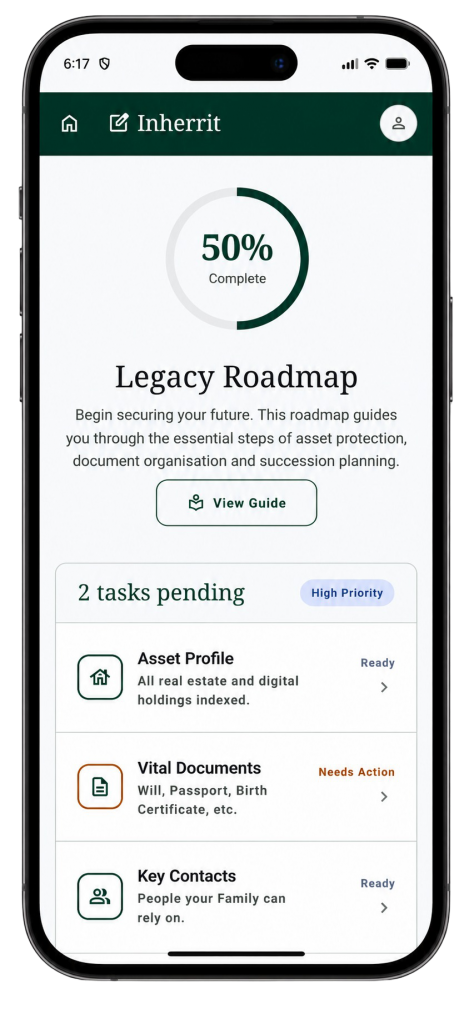
Download on Google Play Download on the App Store
Who can witness a will?
For England and Wales, choose two independent adults aged 18 or over. A neighbour, work colleague, family friend, or solicitor’s staff member can be perfectly suitable. The witness must be mentally capable of understanding that they are witnessing a signature, and they must have a clear view of the act of signing. Someone who is asleep, intoxicated, confused, or unable to see the signature is a poor choice, and sometimes not a valid one.
The person should not be a beneficiary. Nor should they be married to, or in a civil partnership with, a beneficiary. Under section 15 of the Wills Act 1837, the will itself is not usually invalidated by a beneficiary acting as witness, but the gift to that beneficiary is void. Brutal, but true. If your son witnesses your will and you leave him £50,000, he may have just signed away his own inheritance.
An executor can witness a will, provided they are not also a beneficiary. Still, I usually prefer witnesses who are not named anywhere in the will. It keeps things cleaner. Executors often later become trustees, with duties under the Trustee Act 1925 and general trust law, so there is no need to tangle their role with avoidable witness questions.
Scotland and Northern Ireland are not identical
The phrase does a will need to be witnessed gets asked across the UK, but the answer changes slightly once you leave England and Wales. In Northern Ireland, the practical position is close to England and Wales: a will normally needs two witnesses, both present when the testator signs or acknowledges the signature, and the witnesses should sign in the testator’s presence. Use independent adult witnesses and avoid beneficiaries or their spouses and civil partners.
Scotland is different. Scots law uses different terminology, often referring to the person making the will as the granter. Under the Requirements of Writing (Scotland) Act 1995, a Scottish will is usually signed by the granter and witnessed by one independent witness to make it self-proving. The granter should sign at the end of the document, and good practice is to sign each page. A Scottish will that is not properly witnessed may still be capable of being proved, but it can cause delay and extra cost because evidence may be needed to establish authenticity.
That distinction matters for families with property in more than one jurisdiction. A couple living in Manchester with a cottage in Dumfries should not assume one signing ritual fits every legal system without thought. Cross-border estates already have enough moving parts.
Video witnessing: no longer a safe option
During the Covid-19 period, England and Wales temporarily allowed wills to be witnessed by video link. The rules were introduced because people were shielding, hospitals were restricting visitors, and ordinary face-to-face signing became awkward or impossible. Those temporary provisions ended on 31 January 2024. For wills made now, assume physical presence is required.
Do not sign over Zoom and hope for the best. If somebody dies and the only will was witnessed on a video call after the temporary rules expired, the executor may be facing a validity dispute before they even reach the Grant of Probate application. Remote witnessing also created practical problems even while it was permitted: the same physical document had to travel between people, signatures had to happen in the right order, and delays invited mistakes. Frankly, it was a necessary pandemic fix, not a gold standard.
What if the will was witnessed wrongly?
If the testator is still alive, the cleanest answer is usually to re-sign the will properly, or make a fresh will. Do not rely on sticky notes, handwritten explanations, or a family agreement that everyone knows what was intended. A codicil can amend a will, but it must be signed and witnessed with the same care as the original will. If the signing was botched, a fresh execution is often cheaper than trying to rescue uncertainty later.
After death, the options narrow. The executor may ask the witnesses for an affidavit of due execution, particularly if the attestation clause is missing, the signatures are oddly placed, or one witness says they signed later. If the evidence shows the Wills Act formalities were met, the Probate Registry may accept the will. If not, the estate may pass under an earlier valid will, or under intestacy rules. That can change everything: who inherits, who acts as executor, and how family tensions play out.
A deed of variation can sometimes rearrange inheritance after death if all affected adult beneficiaries agree, but it does not magically make an invalid will valid. It also needs tax care. Inheritance Tax is charged under the Inheritance Tax Act 1984, and HMRC’s Inheritance Tax guidance explains the main 40% rate and available thresholds. A failed gift to a spouse, charity, or trust can shift the tax position by thousands of pounds.
Common signing mistakes I still see
One common error is the kitchen-table will signed by the testator on Monday, then taken to two neighbours on Tuesday. That is not proper witnessing in England and Wales unless the testator acknowledges the existing signature to both witnesses while they are together and they sign in the testator’s presence. Another is asking a daughter-in-law to witness because she happened to be visiting. If her husband is a beneficiary, her signature can wipe out his gift.
A more subtle problem appears when a will has loose pages, later staples, or unexplained marks. The will may still be valid, but the Probate Registry may ask questions because attached documents raise the possibility that pages were added or removed. Never attach letters, asset lists, or funeral notes to the original will. Store supporting information separately. This is where a digital organiser such as Inherrit can be genuinely useful: you can keep policy numbers, account details, funeral wishes, executor contacts, and a copy of your will in one encrypted place without physically interfering with the signed original.
Capacity concerns also deserve care. If an elderly parent signs a will in hospital, use independent witnesses who can later say the parent appeared alert and willing. If there is a dementia diagnosis, medication issue, or family dispute brewing, get medical evidence and solicitor involvement before signing. The Care Act 2014 may be relevant to wider care planning, but it does not soften the rules for executing a will. A badly witnessed will is still a badly witnessed will.
Keep the signed will findable
A perfectly witnessed will is of limited use if nobody can find it. Tell your executor where the original is stored, whether that is with a solicitor, a professional will storage provider, or in a safe place at home. Do not hide it so well that it becomes a rumour. Inherrit can help here too, by recording where the original will is kept and sharing that information securely with the people who will need it, without giving everyone access to the private contents today.
So, does a will need to be witnessed? For England and Wales, yes: two suitable witnesses, present together, watching the signing and then signing themselves. Treat that final five minutes with the seriousness it deserves. Many estate disputes begin with somebody saying, I’m sure we signed it properly.
FAQ
Does a will need to be witnessed by a solicitor?
No. A solicitor does not have to witness your will. Two independent adult witnesses can do it, provided they meet the legal requirements. Solicitor supervision is still sensible where the estate is valuable, the family situation is strained, or capacity could be questioned.
Can my spouse witness my will?
Your spouse can technically witness your will only if they receive nothing under it, but that is rarely a good idea. If your spouse is a beneficiary, their gift is likely to fail. Use independent witnesses with no benefit under the will.
Can a beneficiary witness a will?
They should not. In England and Wales, a beneficiary who witnesses the will usually loses their gift, although the rest of the will may survive. The same risk applies if the witness is the beneficiary’s spouse or civil partner.
Do both witnesses need to be present at the same time?
Yes, when the testator signs or acknowledges the signature in England and Wales. The witnesses should both be there together and have a clear view. They should then sign while the testator is present.
Is a will invalid if one witness has died?
No. A witness dying later does not invalidate the will. It may be harder to obtain evidence if there is a challenge, which is why full names, addresses, and occupations should be written clearly.
Can a will be witnessed online now?
Not safely for new wills in England and Wales. The temporary video-witnessing rules ended on 31 January 2024. Physical presence should be used.
What should I do if I think my will was witnessed incorrectly?
If you are alive, re-sign it correctly or make a new will. If the testator has died, the executor should take legal advice before applying for a Grant of Probate, because witness evidence or a court decision may be needed.
💡 Pro tip: You’ve read about does a will need to be witnessed. Now take the next step — our app helps you store your will, insurance policies, property deeds, and key contacts in one secure place, ready for when your family needs them.