Your Essential Guide to End of Life Planning
Discover how to create an end of life plan that protects your wishes and eases the burden on your loved ones. Start planning today.

Your Essential Guide to End of Life Planning
Planning for the end of life can feel daunting. Yet, it’s a vital part of ensuring that your wishes are respected and that your loved ones are not left in chaos when the time comes. An end of life planner is more than just a document; it’s a comprehensive guide that covers everything from financial affairs to funeral wishes.
What is an End of Life Planner?
An end of life planner serves as a centralised location for all important information,financial details, health care preferences, and personal wishes. Think of it as a roadmap for your loved ones during one of the most challenging times in their lives.
Key Components of an End of Life Plan
- Legal Documents: This includes your Will (ensuring it complies with the Wills Act 1837), trusts, powers of attorney, and any advance directives regarding healthcare decisions.
- Financial Information: List all bank accounts, investments, insurance policies, debts, and property details. According to HMRC, understanding inheritance tax implications is crucial for effective estate planning.
- Funeral Wishes: Documenting your preferences can be invaluable. Specify the type of service you desire, burial or cremation details, and any specific requests regarding music or readings.
- Digital Legacy: In our digital age, don’t overlook online accounts,social media profiles, email accounts, and digital assets like cryptocurrencies should all be addressed in your plan.
- Personal Messages: Leave notes or recordings for family members that express your feelings or share memories. This can provide comfort when they need it most.
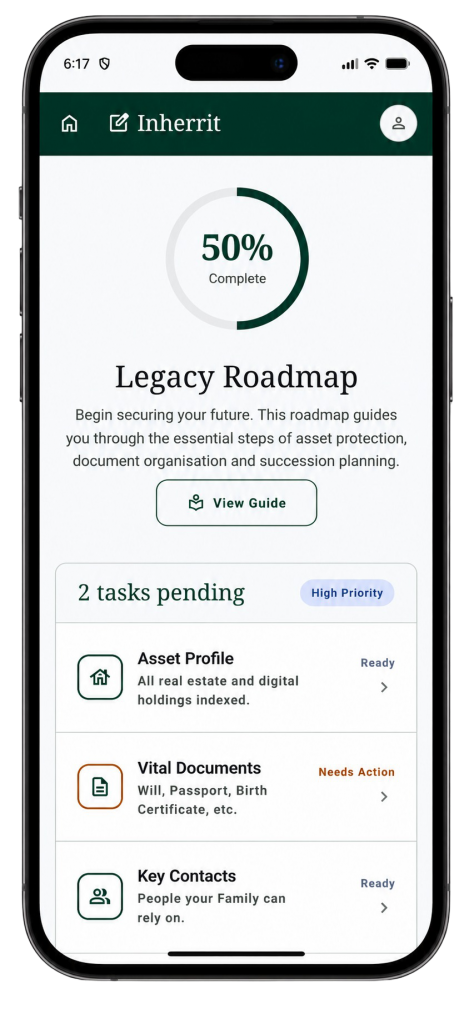
💡 Pro tip: Our app helps you store your will, insurance policies, property deeds, and key contacts in one secure place, ready for when your family needs them.
Download on Google Play Download on the App Store
Download on Google Play Download on the App Store
The Legal Framework Surrounding End of Life Planning
Understanding the legal context can significantly improve the effectiveness of your end-of-life planning. Here are some pertinent laws:
- Wills Act 1837: Governs how wills should be made and enforced in England and Wales.
- Inheritance Tax Act 1984: Details how inheritance tax applies to estates exceeding certain thresholds (the current nil-rate band is £325,000 until 2028).
- Trustee Act 1925: Outlines the duties trustees have towards beneficiaries if you set up a trust as part of your estate planning.
- Care Act 2014: Particularly relevant if you’re considering health and social care decisions in case you become unable to express them yourself.
Why Use an End of Life Planner?
The reality is this: many people avoid discussing death until it’s too late. By taking proactive steps now, you ensure clarity for your loved ones. They won’t have to guess your wishes or scramble through files trying to piece together important information during a time of grief.
Benefits Include:
- Reduces Stress: Having everything organised alleviates potential confusion and anxiety for family members at a difficult time.
- Ensures Your Wishes Are Respected: Clear documentation means your desires are followed without conflict or misinterpretation.
- Eases Administrative Burdens: Executors often face overwhelming tasks after someone’s passing; a well-organised plan helps streamline this process considerably.
- Facilitates Financial Decisions: With all financial information in one place, it simplifies managing affairs posthumously and aids in addressing any inheritance tax matters with HMRC efficiently.
- Encourages Family Conversations About Death: Discussing these elements can foster deeper connections and understanding among family members about their individual desires regarding end-of-life care and arrangements.
Steps to Create Your End of Life Plan
- Gather Important Documents
- Collect legal documents like your will, power(s) of attorney, medical directives, insurance policies, etc.
- Include passwords for digital accounts where necessary (safeguarding sensitive information).
- Outline Your Wishes Clearly
- Write down funeral preferences including location and service type,consider both religious aspects if applicable.
- If there are specific people you wish to officiate services or perform readings, make note of those too.
- Set Up Powers of Attorney
- Grant authority to someone you trust to manage financial and medical decisions if you’re unable to do so yourself,this can prevent complications later on.*
- Communicate with Family Members
- Discuss your plans openly with family; this transparency can help avert disputes later on and clarify expectations about roles as executors or caregivers.
- Consider Using Technology Aid Like Inherrit App
- The Inherrit app offers secure storage for all these documents along with reminders for reviews on wills or policies ensuring nothing falls through the cracks as circumstances change.
FAQs About End of Life Planning
What happens if I die without an end-of-life plan?
Dying without a plan can lead to significant stress for family members who may struggle with decision-making while grieving. Assets may also not be distributed according to your wishes if there’s no will in place (intestacy rules apply).
Can I change my end-of-life plan later?
Yes! It’s vital to regularly review and update your end-of-life planner as circumstances like marriage, divorce, changes in assets, or shifts in personal beliefs occur over time.
Is there any cost involved with creating an end-of-life plan?
While creating a basic plan might not cost much (or anything), involving solicitors for will writing or estate management may incur fees depending on complexity , always inquire upfront about costs before proceeding!
How does inheritance tax affect my estate?
If the value exceeds £325,000 (as per current thresholds), inheritance tax at 40% may apply; however careful estate planning can help mitigate these liabilities significantly.*
How do I ensure my digital assets are managed after I’m gone?
Make sure you list online accounts with clear instructions about what should happen with them; consider using password managers that allow trusted individuals access posthumously.
Can I specify who takes care of my pets?
Absolutely! Make clear provisions within your planner regarding preferred guardianship arrangements tailored specifically towards caring for any pets.*
Is there support available during this process?
Yes! You might find organisations like Age UK helpful,they offer guidance resources tailored towards older adults needing assistance navigating these issues.
Do I need legal help creating my plan?
While it’s not mandatory,consulting professionals experienced in estate planning ensures compliance while avoiding pitfalls associated with DIY approaches.
What should I do with my end-of-life planner once completed?
Store it securely but ensure trusted individuals know its location , keep copies accessible so executors can refer back easily when necessary.
Are there templates available online?
You can find various templates online; however further customisation based on individual needs may require professional advice.
(💡 Pro tip: You’ve read about end of life planner. Now take the next step — our app helps you store your will, insurance policies, property deeds, and key contacts in one secure place, ready for when your family needs them.