Understanding Who Can Witness a Will in England and Wales
Learn who can legally witness your will and ensure its validity. Discover essential guidelines for choosing the right witnesses.

Understanding Who Can Witness a Will in England and Wales
Creating a will is one of the most important steps you can take to ensure that your wishes are respected after you’re gone. However, many people overlook the crucial aspect of who can witness a will. Incorrect witnessing can lead to disputes, delays, or even invalidation of the will. Let’s break down the legal requirements and best practices for choosing witnesses.
Legal Requirements for Witnessing a Will
In England and Wales, the Wills Act 1837 mandates that for a will to be valid, it must be signed in the presence of two independent witnesses. The signing must occur simultaneously; all parties need to be present when each signs the document.
Number of Witnesses
You must have exactly two witnesses. The presence of additional individuals does not help,only the signatures of the two designated witnesses matter. This helps avoid confusion later on if any disputes arise.
Age and Capacity of Witnesses
Witnesses must be at least 18 years old and possess mental capacity, meaning they understand their role in witnessing a legal document. They don’t need any formal legal training but should grasp that they are validating your signature.
Relationship to Beneficiaries
A critical point: those who stand to benefit from your will cannot act as witnesses. This includes beneficiaries themselves and their spouses or civil partners. If someone eligible to inherit is also a witness, they risk losing their inheritance rights, even if the rest of the will remains valid.
(FREE for Limited time) Estate and Legacy Planning App
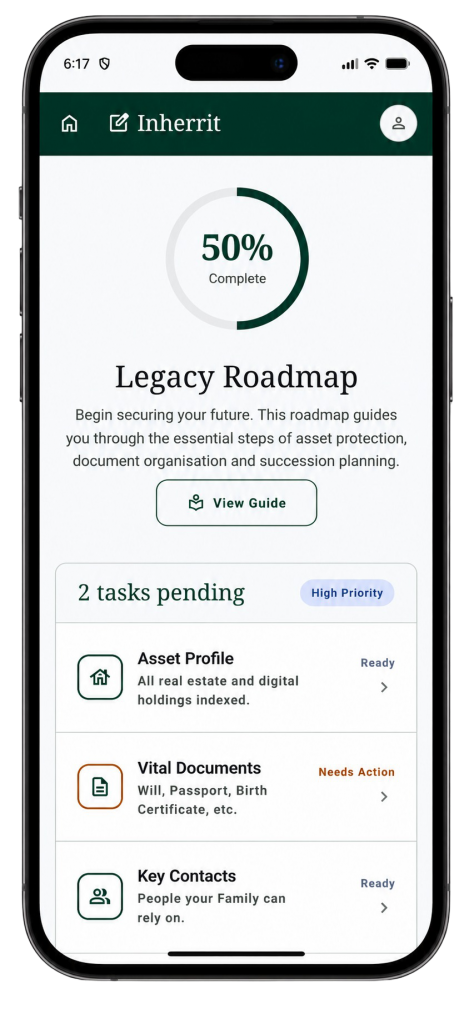
💡 Pro tip: You’ve read about who can witness a will. Now take the next step — our app helps you store your will, insurance policies, property deeds, and key contacts in one secure place, ready for when your family needs them.
Choosing Your Witnesses: Who Can Help?
Who should you consider as potential witnesses? Here are some ideal candidates:
- Friends or Neighbours: They are often available and usually impartial.
- Colleagues: Work associates can serve as witnesses, provided they aren’t beneficiaries.
- Legal Professionals: If you’re drafting your will with a solicitor, they can act as a witness as part of their service , although this may incur an additional fee.
- Other Professionals: Individuals like bank managers or local librarians can also qualify, assuming they meet the necessary criteria.
Who Should Not Witness Your Will?
Certain individuals should not act as witnesses to avoid complications:
- Beneficiaries: As mentioned earlier, anyone entitled to inherit from your estate cannot witness your will.
- Minors: Witnesses must be at least 18 years old in England and Wales (or 16 in Scotland).
- Individuals Lacking Capacity: Anyone unable to fully understand what they’re witnessing due to intoxication or mental impairment is not suitable.
- Those with Conflicts of Interest: If someone might contest the will later on, they shouldn’t participate in its witnessing process.
The Importance of Witness Responsibilities
Witnesses play a vital role posthumously if there are challenges to your will’s validity. Their testimony might be required if someone contests whether you had mental capacity at signing or claims undue influence was exerted upon you. It’s wise for witnesses to clearly print their full names beneath their signatures,illegible handwriting could lead to complications during probate proceedings.
Remote Witnessing: Legal Changes Overview
During the pandemic, temporary measures allowed remote witnessing via video calls; however, these provisions expired on January 31, 2024. Now, all parties must be physically present when signing the document,a return to traditional practices emphasizing face-to-face interactions during such significant moments.
Best Practices When Signing Your Will
- Schedule Wisely: Choose a time free from distractions where everyone involved is relaxed and focused on the task at hand.
- Inform Your Witnesses: Make sure they understand what’s happening; clarity fosters confidence in their role and protects against future disputes.
- State Intent Clearly: Verbally announce that “this is my last will and testament.” This simple statement reinforces your intentions during the signing process.
- Document Details Separately: Keep separate notes regarding date, location, and names of those who witnessed your signing,while not mandatory, this could help substantiate claims about how everything transpired should questions arise later on.
- Secure Storage After Signing: Once signed, store your will safely with your solicitor or in another secure location known to your executor,this step ensures easy access when needed without unnecessary delays.
Using an app like Inherrit can simplify this process greatly by allowing you to securely store all relevant documents,including wills,ensuring everything is organised when it matters most.