Wealth Transfer Strategies: Securing Your Legacy in the UK
Learn effective wealth transfer strategies to protect your legacy and minimise tax. Discover how to plan for your family's future today.

Wealth Transfer Strategies: Securing Your Legacy in the UK
Transferring wealth across generations is more than just a financial transaction; it’s about securing your family’s future and preserving your legacy. With the right strategies, you can ensure that your loved ones benefit from your hard work while minimising the tax burden imposed by the government. Here, we’ll explore various wealth transfer strategies tailored to the legal framework of England and Wales, along with some considerations specific to Scotland and Northern Ireland.
Understanding Wealth Transfer in the UK
Wealth transfer encompasses various methods through which assets are passed on from one generation to another. This can occur during one’s lifetime through gifts or at death via wills and trusts. The key is to understand the implications of each method, particularly concerning Inheritance Tax (IHT), which is governed by the Inheritance Tax Act 1984.
The Role of Inheritance Tax
As it stands, individuals have a nil-rate band threshold of £325,000, which means any estate valued above this amount could incur IHT at a rate of 40%. If you’re not mindful, this could significantly erode the value of what you pass on to your heirs. Strategies that effectively reduce IHT exposure are crucial for anyone considering wealth transfer.
(FREE for Limited time) Estate and Legacy Planning App
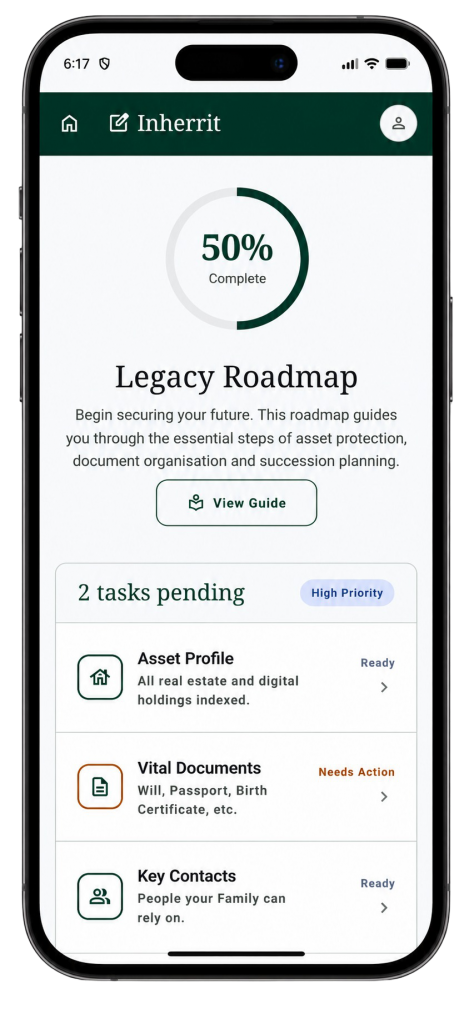
Download on Google Play Download on the App Store
Key Wealth Transfer Strategies
1. Lifetime Gifting
Gifting assets during your lifetime is a powerful tool for reducing the size of your taxable estate. Under current laws, you can give away up to £3,000 each tax year without incurring any IHT liability. This annual exemption can even be carried forward for one year if unused.
- Pros: Reduces estate size immediately and allows beneficiaries to enjoy gifts while you’re still alive.
- Cons: If you exceed certain limits or die within seven years of making a gift, it may still be subject to IHT.
2. Establishing Trusts
Trusts provide control over how and when assets are distributed while also protecting them from creditors and potential future divorce settlements. There are different types of trusts you might consider:
- Discretionary Trusts: Allow trustees discretion in asset distribution based on beneficiaries’ needs.
- Interest in Possession Trusts: Beneficiaries have a right to income generated by trust assets but not the capital itself.
- Pros: Can offer protection from IHT if structured correctly; facilitates long-term asset management and control.
- Cons: Trusts can be complex and costly to set up; they may incur their own tax liabilities.
3. Making Use of Business Reliefs
If you own a business or agricultural land, consider business property relief (BPR) which can offer up to 100% relief from IHT if certain conditions are met. This is particularly relevant if you plan on passing down a family business.
- Pros: Significant tax savings; encourages continuity in family businesses.
- Cons: Requires diligent record-keeping and adherence to specific qualifying criteria.
4. Charitable Giving
Involving charity in your wealth transfer strategy not only fulfills philanthropic goals but can also reduce your estate’s taxable value significantly. If you leave at least 10% of your net estate to charity, your estate may qualify for a reduced IHT rate of 36% instead of the standard 40%.
- Pros: Creates a lasting legacy; potential for significant tax benefits.
- Cons: May require careful planning to ensure that personal financial needs are still met during lifetime.
Planning Your Will According to the Wills Act 1837
A well-drafted will is essential for effective wealth transfer. The Wills Act 1837 provides the legal framework within which wills must operate in England and Wales. Key considerations include:
- Ensure that all assets are accurately described and designated according to wishes;
- Appoint an executor who understands their duties thoroughly;
- Regularly review and update your will as circumstances change (marriage, divorce, births).
Creating a will using our app, Inherrit, allows for secure storage of important documents such as property deeds or insurance policies ensuring that everything is easily accessible when needed.
Cross-Border Considerations
For those with international ties or properties abroad, understanding how different jurisdictions handle inheritance taxes is vital. Countries vary significantly in their approach to taxation on estates,some may impose taxes based on residency rather than domicile status,which could impact wealth transfer strategies substantially.
It’s advisable to consult professionals who specialise in cross-border estate planning – they will help navigate these complexities effectively.
Communicating with Heirs
Planning without communication can lead to misunderstandings or disputes among heirs after you’re gone. To prevent this:
- Discuss your plans openly with family members so they understand what’s expected;
- Explain why certain choices were made; it helps them appreciate decisions regarding asset distribution;
- Encourage questions , an open dialogue fosters trust and clarity.
Your app provides an ideal platform for this communication by allowing users to securely share relevant documents with trusted individuals whilst keeping sensitive information protected.
FAQs about Wealth Transfer Strategies
What is Inheritance Tax?
Inheritance Tax (IHT) is levied on estates exceeding £325,000 upon death at a rate of 40%. Various reliefs exist,particularly for businesses or charitable donations,that can mitigate this tax burden.
Can I gift my entire estate before dying?
While gifting assets can reduce IHT exposure during life, gifts made within seven years before death may still be included in calculating IHT unless they fall under specific exemptions like annual allowances or wedding gifts.
How do trusts help with wealth transfer?
Trusts allow you control over how assets are managed posthumously while potentially protecting them from taxes depending on their structure and use cases outlined above.
Should I involve my family in my wealth transfer planning?
Yes! Open discussions about wealth transfer plans help align expectations amongst heirs while reducing disputes later on,especially regarding emotional attachments tied to specific assets or legacies passed down through generations!
Can charitable giving lower my Inheritance Tax?
Yes! Leaving more than 10% of your estate value directly towards qualifying charities may reduce its overall taxable value leading potentially toward lower rates imposed by HMRC under current law provisions!
Is it necessary to update my Will regularly?
Absolutely! Life events such as marriage/divorce/birth/death often necessitate reviewing existing wills,regular checks ensure everything aligns appropriately according personal circumstances & desires expressed therein!
What role does an Executor play?
An executor manages distribution tasks outlined within each respective will & ensures compliance with local laws governing probate proceedings,having someone trustworthy appointed eases transition burdens onto surviving relatives greatly!
disclosure.
💡 Pro tip: You’ve read about wealth transfer strategies. Now take the next step — our app helps you store your will, insurance policies, property deeds, and key contacts in one secure place, ready for when your family needs them.