Disinheritance: Legal Insights and Practical Guidance
Learn how to navigate disinheritance in the UK, including legal implications and essential planning strategies for your estate.

Disinheritance: Legal Insights and Practical Guidance
Disinheritance is a sensitive topic, often fraught with emotional turmoil. It involves intentionally excluding someone from receiving assets upon your death. Many people find themselves contemplating this difficult decision due to complex family dynamics or specific financial concerns. In the UK, the legal landscape surrounding disinheritance can be intricate, particularly when it comes to ensuring your wishes are respected while adhering to the law.
What Does Disinheritance Mean?
Disinheritance refers to the act of excluding a person from inheriting your estate. This could be a close relative who might have expected to benefit under a will or other succession arrangements. In England and Wales, testamentary freedom allows you to determine who benefits from your estate; however, certain limitations apply, notably under the Inheritance (Provision for Family and Dependants) Act 1975.
This legislation enables certain individuals, such as spouses and children, to contest a will if they believe they have not received reasonable financial provision from the deceased’s estate. Thus, while you can disinherit someone, doing so requires careful planning and consideration.
Reasons for Disinheriting Someone
There are numerous reasons why individuals choose to disinherit potential heirs:
- Estrangement: Long-term family rifts can lead individuals to exclude relatives.
- Financial Independence: If a potential heir is financially secure or has received substantial gifts during your lifetime, you may feel justified in excluding them.
- Concerns About Responsibility: Worries about a beneficiary’s financial habits,such as gambling or substance abuse,might prompt disinheritance.
- Previous Betrayals: Instances of trust betrayal can lead to disinheriting an individual altogether.
- Lifestyle Disapproval: While often subjective and potentially weaker grounds for disinheritance, some individuals may wish to exclude heirs based on their lifestyle choices.
Understanding these motivations is crucial before making any decisions regarding your estate planning.
(FREE for Limited time) Estate and Legacy Planning App
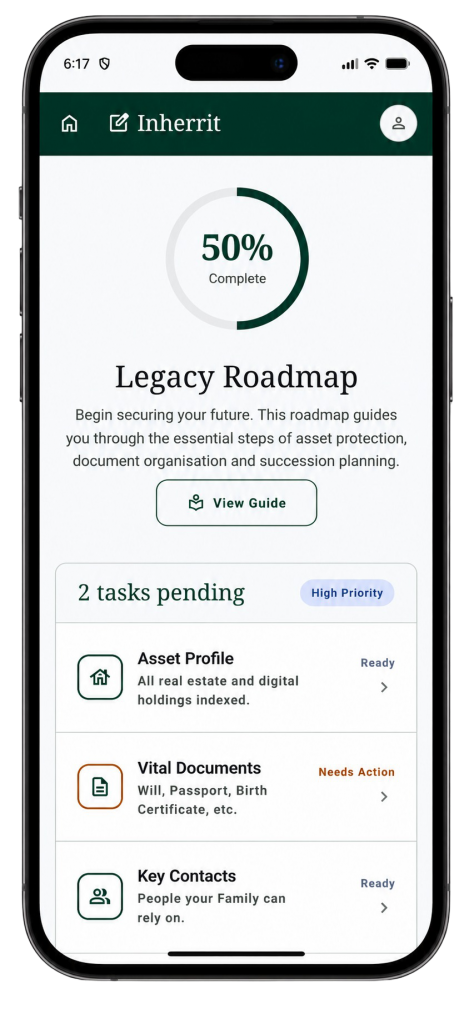
Download on Google Play Download on the App Store
The Legal Framework of Disinheritance
In England and Wales, you have considerable freedom regarding how you distribute your estate; however, that freedom is not absolute. The Inheritance (Provision for Family and Dependants) Act 1975 provides specific protections for certain individuals against total exclusion. This means that even if you wish to disinherit someone, they may still have rights if they fall into one of the protected categories:
- A surviving spouse or civil partner.
- Children (including adult children).
- Individuals treated as children of the family.
- Anyone financially dependent on you prior to your death.
If an excluded individual believes that the will does not provide for them adequately, they may challenge it in court. Given this context, it’s wise to consider how best to document your intentions clearly within your will.
How to Disinherit Someone Legally
Successfully disinheriting someone involves more than simply omitting their name from your will. Here’s how you can do it properly:
1. Consult an Estate Planning Solicitor
Legal advice is essential when considering disinheritance. An experienced solicitor can help clarify the implications of your decisions and ensure compliance with relevant laws.
2. Draft a Clear Will
A clear statement within your will that explicitly states your intention not to provide for a specific individual is vital. You should include their name and relationship clearly,for example:
“I hereby state that my daughter Jane Doe shall receive no part of my estate.”
3. Document Your Reasons with Care
While not legally binding, including a letter of wishes with detailed explanations can be invaluable should disputes arise later on. This letter allows you to express why you made these decisions,perhaps citing estrangement or financial independence,as context for future reference.
4. Review Regularly and Update Your Will
Changes in relationships or circumstances necessitate regular reviews of your will and estate plans,especially after significant life events such as marriages or births.
Challenges Associated with Disinheritance
Even when proper procedures are followed, disinherited individuals may contest wills successfully based on claims such as:
- Lack of testamentary capacity at the time of writing the will.
- Undue influence from others during its creation.
- Improper execution of legal formalities required by the Wills Act 1837.
Therefore, having comprehensive documentation supporting your decisions becomes crucial in safeguarding against potential challenges after death.
Special Considerations When Disinheriting Family Members
Disinheriting a spouse poses unique challenges due primarily to marital rights established by law,even if there’s an intention expressed otherwise within a will! In many cases post-separation or divorce proceedings still require some level of provision unless previously agreed upon through legally-binding agreements like prenuptial contracts.
Similarly, minor children typically cannot be completely disinherited due to their rights under family law provisions designed specifically for their protection,so keep these nuances in mind while drafting documents!
Moreover,
disputes arising from these situations often lead families down lengthy litigation paths which only add emotional strain during already difficult times; hence proactive measures toward open communication about intentions become essential here too!
Implications on Inheritance Tax (IHT)
Disinheritance can also have significant implications concerning inheritance tax planning under the Inheritance Tax Act 1984 (IHTA). If certain beneficiaries are removed from consideration altogether without adequate replacements being named elsewhere within succession strategies like trusts then unexpected tax liabilities could arise depending upon overall asset values involved post-death distributions,and could impact surviving heirs negatively if left unchecked! Thus understanding both legal consequences surrounding wills along with fiscal responsibilities resulting therefrom must play integral roles when making choices regarding whom one wishes included/excluded therein!
The Role of HM Courts & Tribunals Service
Should disputes arise concerning contested wills based upon claims originating from stated exclusions outlined above; parties involved might find themselves navigating through HM Courts & Tribunals Service,a governmental entity responsible for administering justice across various legal sectors including probate matters! This process often entails lengthy hearings wherein evidence must be presented supporting each party’s arguments through testimony provided by witnesses alongside documentation submitted accordingly,all contributing toward final determinations reached by judges presiding over respective cases at hand!
Ultimately such proceedings highlight why thoughtful planning ahead remains paramount throughout all stages leading up until eventual passing away itself; enabling smoother transitions afterwards whilst reducing chances tied back towards disagreements stemming forth either directly indirectly linked back towards inheritance distributions!
FAQs About Disinheritance
a strong>What happens if I die without a will?
p>If someone dies without leaving behind any legally-binding documents indicating their wishes pertaining specifically toward distribution processes then intestacy rules kick into effect governed primarily under intestacy laws established throughout England/Wales,which dictate how estates get divided amongst surviving relatives according predetermined hierarchies set forth within legislative frameworks governing same.
Can I change my mind after disinheriting someone?
Yes! You retain full authority over modifying existing wills whenever desired until passing occurs; thus allowing individuals flexibility adapting accordingly towards shifting dynamics occurring throughout families over time!
How can I prevent my will from being contested?
Ensuring clarity around intentions while seeking professional guidance during creation phases tends proven effective minimizing successful challenges occurring later-on post-mortem! Keeping lines open among family members discussing matters candidly also helps mitigate tensions leading possible disputes arising afterwards!
Is it advisable always seeking legal counsel?
Absolutely! Navigating complexities tied back toward estate planning requires expertise ensure compliance against applicable regulations avoiding pitfalls potentially compromising ultimate goals intended therein!
How do I communicate my decision effectively?
Approaching conversations delicately yet honestly fosters understanding amongst loved ones which ultimately proves beneficial long-term despite discomfort felt initially when broaching such subjects together openly.
Can I use trusts instead of traditional wills?
Certainly! Trusts provide more nuanced control over distributions allowing conditions attached either temporarily/permanently protecting assets targeted beneficiaries’ interests according respective circumstances dictated going forward!
💡 Pro tip: You’ve read about disinheritance. Now take the next step — our app helps you store your will, insurance policies, property deeds, and key contacts in one secure place, ready for when your family needs them.